Why Smart Importers Use Sinosure (And Why Your Factory Probably Already Knows What It Is)
By Steve Simonson
Most entrepreneurs think about price. Professionals think about cash flow. Sinosure — China's state-backed export credit insurer — is one of the most misunderstood tools in global trade, and understanding it can dramatically improve your cash conversion cycle.
There's a magical moment in entrepreneurship when you stop thinking like a customer… and start thinking like a banker.
Most entrepreneurs never reach that point. They stay trapped in transactional thinking: "How fast can I get inventory?" "How cheap can I buy it?" "How do I survive the next cash crunch?"
But seasoned operators? They think about leverage, systems, risk reduction, and cash flow timing. And that brings us to one of the most misunderstood tools in global trade.
What Is Sinosure?
Sinosure is a Chinese state-owned export credit insurance company. Its entire purpose is simple:
> Help Chinese factories export more products while reducing the risk of non-payment.
Think of Sinosure as a giant government-backed safety net for exporters. If a Chinese factory ships goods to an overseas buyer and that buyer doesn't pay, Sinosure can insure a large percentage of the receivable — typically around 80%.
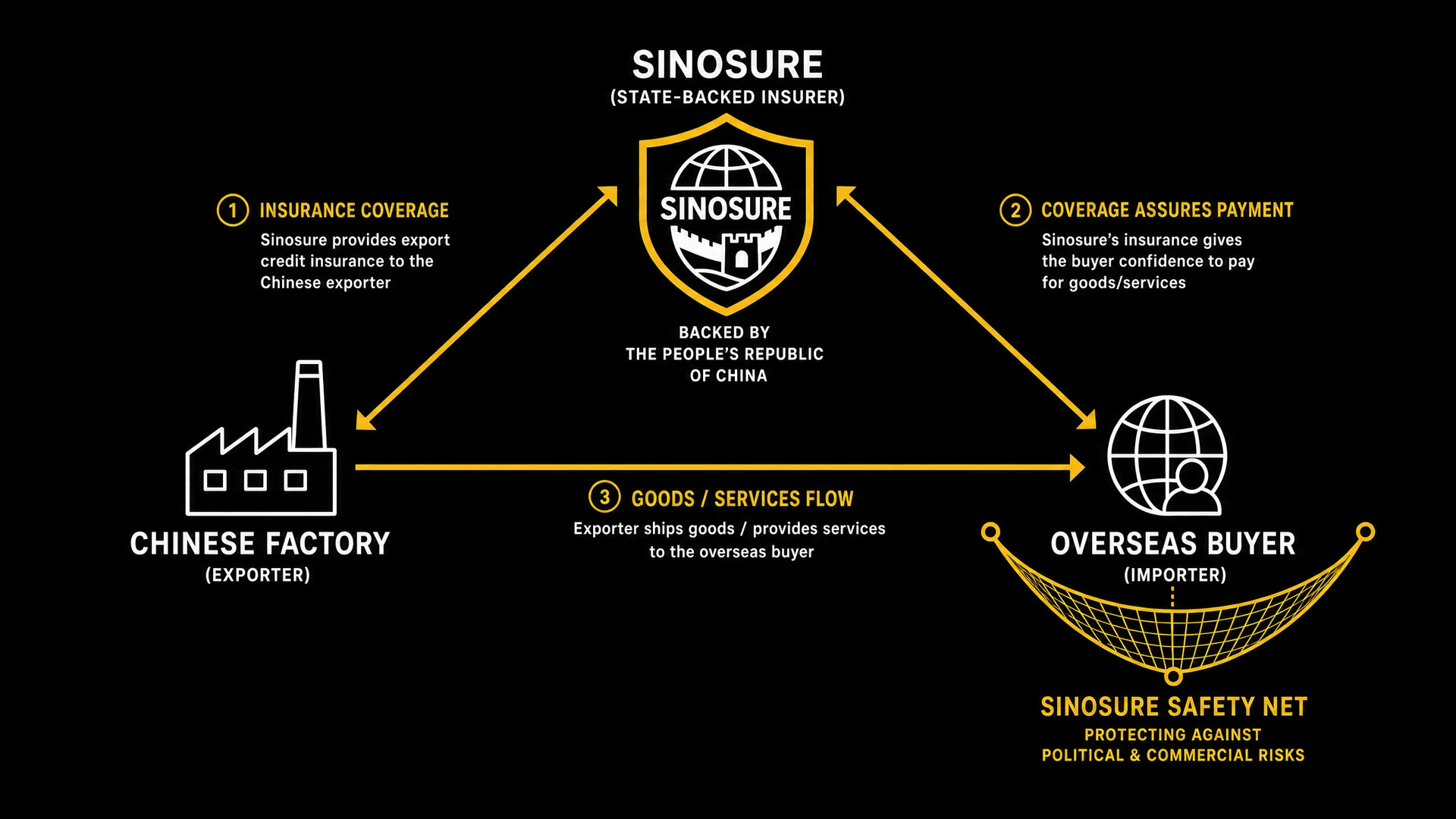
So if your factory ships $100,000 worth of goods on payment terms and you vanish into the night like a bad Tinder date, Sinosure may reimburse most of that loss. Then… they come looking for you. Because unlike your cousin Larry who still owes you $40 from 2017, Sinosure has actual lawyers.
"Our Factory Doesn't Know What Sinosure Is…"
Maybe. But probably not.
If a factory in China is doing meaningful export volume, they almost certainly know what Sinosure is. Exporters with sophistication and export experience generally understand how the process works. So when a supplier says "We don't know Sinosure…" one of several things may be happening: they're very small, they're inexperienced exporters, they primarily serve domestic markets, or they simply don't want to offer terms.
None of these automatically make them a bad supplier. But they do tell you something important about the maturity of the operation.
> Sophisticated factories usually have sophisticated financial tools. Just like sophisticated entrepreneurs do.
Why This Matters More Than You Think
Most entrepreneurs obsess over price. Professionals obsess over cash flow. There's a gigantic difference.
With standard terms — 30% deposit upfront, 70% before shipment — your cash is tied up during production, ocean transit, customs clearance, warehouse receiving, platform check-in delays, and sales velocity ramp-up. In some cases, your money is trapped for 120+ days before you fully recover it.
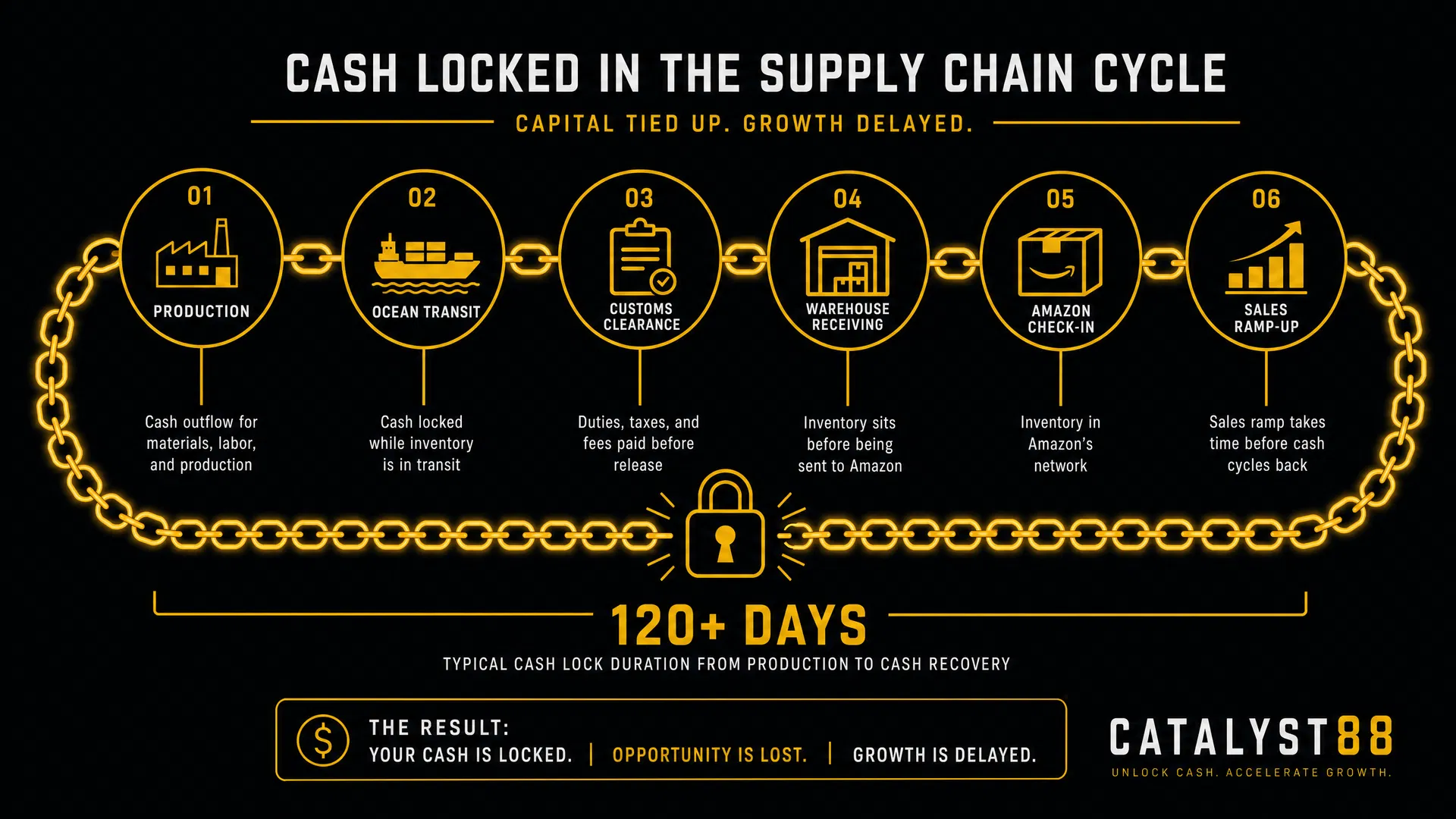
That's not business. That's hostage negotiation.
Now compare that to a Sinosure-backed arrangement: factory ships goods, you receive inventory, you sell inventory, you pay later (for example Net-60 from Bill of Lading). Suddenly your cash conversion cycle changes dramatically. This is where entrepreneurs begin transitioning from "surviving transactions" to "building scalable systems" — and that mindset shift sits right at the center of the Catalyst88 philosophy.
The Juice Has to Be Worth the Squeeze
One of Steve's recurring themes is understanding leverage and value.
> "Make sure the juice is worth the squeeze."
If extending payment terms costs 2%, but improves your inventory velocity and frees up working capital to launch another SKU… that's not an expense. That's strategic leverage.

Too many sellers try to "save" 2% while accidentally strangling their own growth. That's like stepping over dollars to pick up pennies. Or as entrepreneurs call it: Tuesday.
Systems Thinking Wins Again
One of the biggest mistakes entrepreneurs make is believing success comes from heroic effort. It doesn't. It comes from systems.
Sinosure isn't magic. It's simply part of a larger financial system sophisticated operators use to reduce friction and increase scalability — the same way freight forwarding systems matter, ERP systems matter, forecasting systems matter, and supplier qualification systems matter.
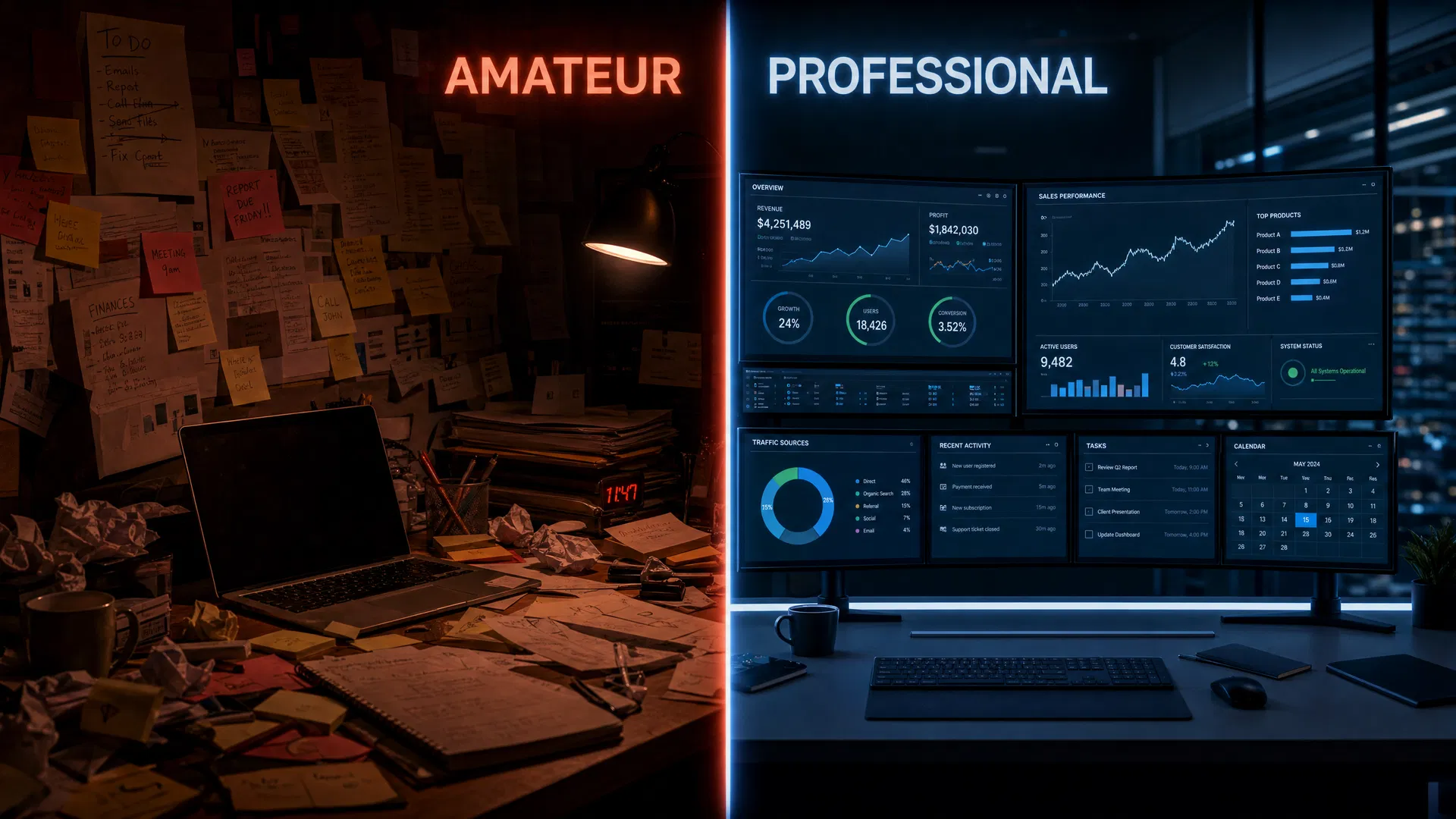
Professional entrepreneurs build machines. Amateurs build stress.
Action Steps for Awesomers
The deeper lesson here has very little to do with China, insurance, or even payment terms. It's about evolving from tactical thinking into strategic thinking.
A beginner asks: "How cheap can I buy this product?" An advanced operator asks: "How can I structure this relationship to improve scale, reduce risk, and increase long-term enterprise value?" That's a completely different game. And once you see the difference, you can't unsee it.
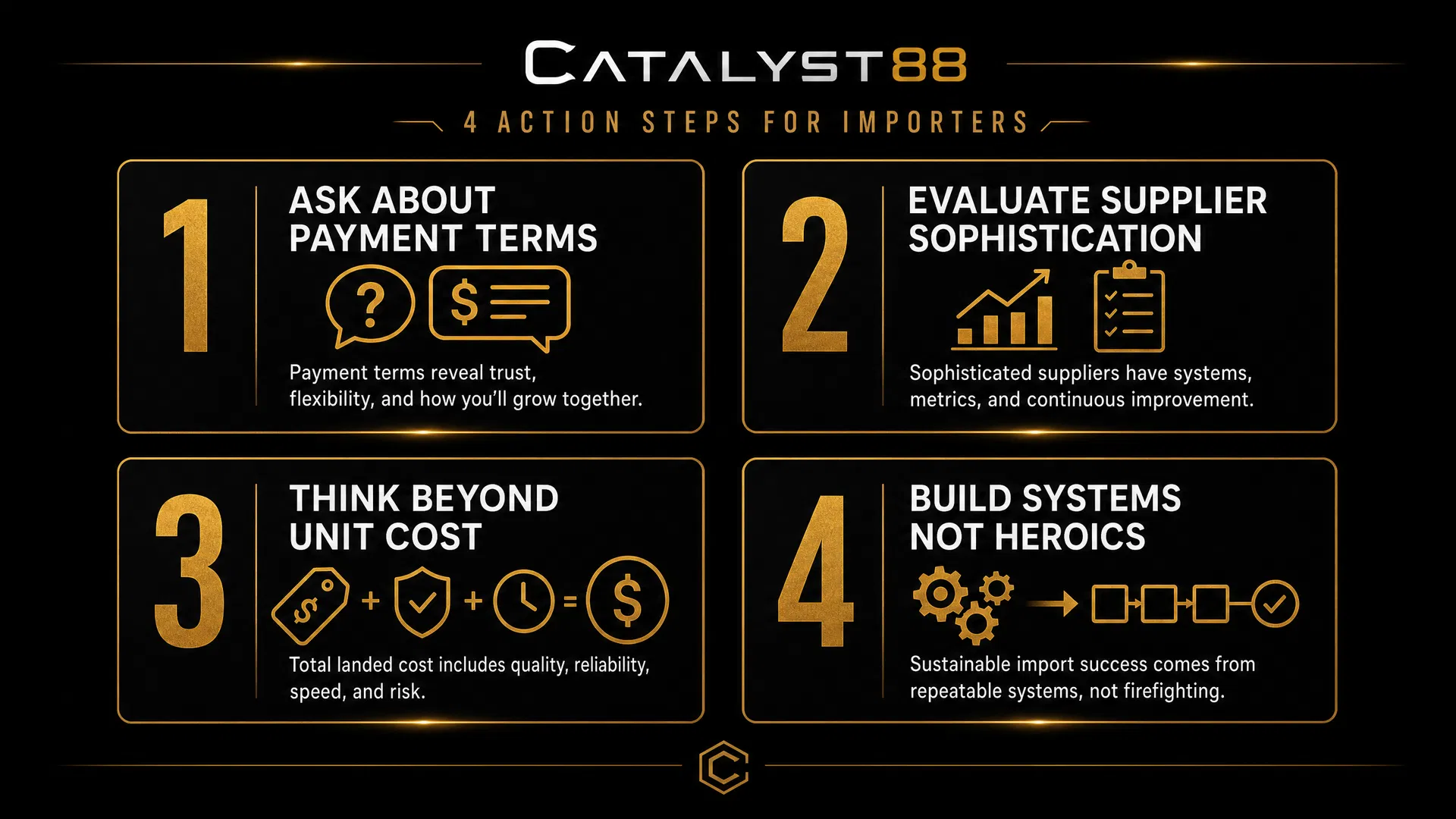
Start by asking your existing suppliers about terms — Net-30, Net-60, Sinosure-backed financing, trade assurance structures. Worst case? They say no. Best case? You unlock working capital. Evaluate supplier sophistication: a factory's understanding of export finance often tells you a lot about operational maturity. Think beyond unit cost — cash flow timing matters just as much as margin, sometimes more. And build systems, not heroics: if your business depends entirely on your personal stress tolerance, you don't own a scalable business yet. You own a job with anxiety accessories.
As always, keep learning, keep building systems, and keep playing the long game.
The question isn't whether you can afford to offer better payment terms to your suppliers — it's whether you can afford not to understand the financial tools that separate transactional operators from scalable businesses.